KTPS
Removing stigma from overdose prevention through empathetic mobile design
- Role
- UX/UI Designer
- Duration
- 2024
- Industry
- Public Health
- Team
- —
- 40%
- Faster help access · vs web version
- AA
- Accessibility rating (WCAG)
- High
- User trust score
Overview
My role: ux/ui designer.
Led empathy-driven design focusing on accessibility, stress-optimized flows, and stigma-free visual language.
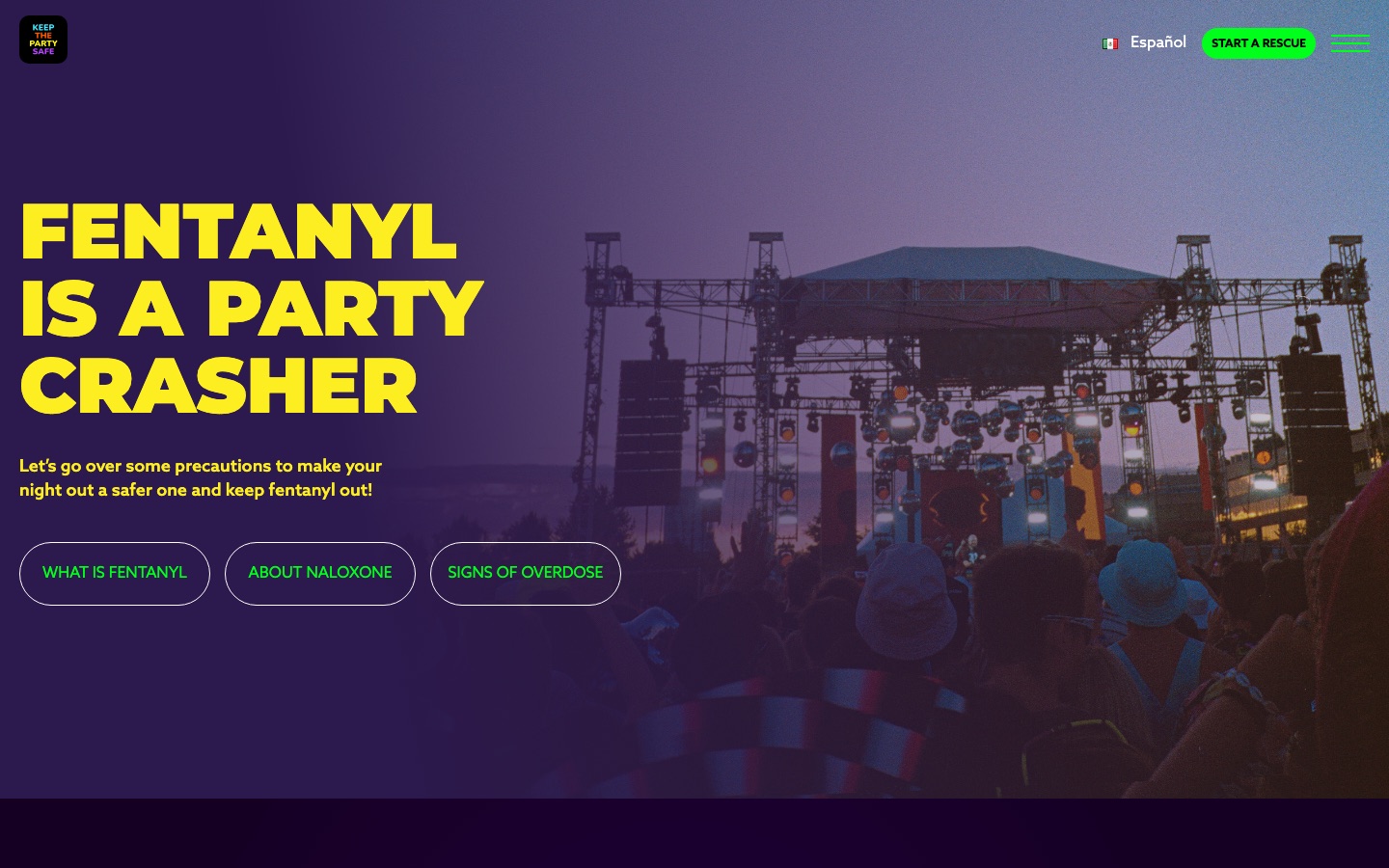
KTPS is a mobile health application focused on overdose prevention education and Naloxone access. The project aimed to create a stigma-free, accessible platform for life-saving information that works during high-stress emergency situations.
- R.1Conducted research on user behavior during stress
- R.2Designed complete user flows and interface
- R.3Created a supportive brand identity
- R.4Ensured accessibility compliance
- R.5Optimized for emergency use scenarios
The problem
Low awareness about overdose prevention, accessibility gaps in existing solutions, and stigma preventing people from seeking help. No central platform existed for Naloxone resources, and existing materials had inconsistent visuals and tone.
Constraints
- C.1Users may be in emergency situations
- C.2Stigma sensitivity required a careful design approach
- C.3Limited budget for development
- C.4Need for fast load times and offline capability
Approach & decisions
What I decided, and why.
Process
8 steps from brief to launch.
- 01User Research
- 02Stress Scenario Mapping
- 03Brand Development
- 04Wireframing
- 05Visual Design
- 06Accessibility Testing
- 07Emergency Flow Testing
- 08Launch
Interface
Designed to convert.
Typography
Azo Sans and Azo Sans Uber for a friendly, approachable feel
Color system
Deep Purple, Magenta, Yellow, Sky Blue
Inclusive illustration library
Mobile-first responsive design
Large, accessible touch targets
What improved
- Stigma-free design language
- Stress-optimized navigation
- Color-coded quick access
- Inclusive representation
Before
Low awareness about overdose prevention, accessibility gaps in existing solutions, and stigma preventing people from seeking help. No central platform existed for Naloxone resources, and existing materials had inconsistent visuals and tone.
After
KTPS became a human-centered health app connecting empathy with usability. Navigation to help improved 40%, and the app earned strong accessibility ratings.
Outcome
KTPS became a human-centered health app connecting empathy with usability. Navigation to help improved 40%, and the app earned strong accessibility ratings.
Visit the live siteNext case study
Daffodil International University